
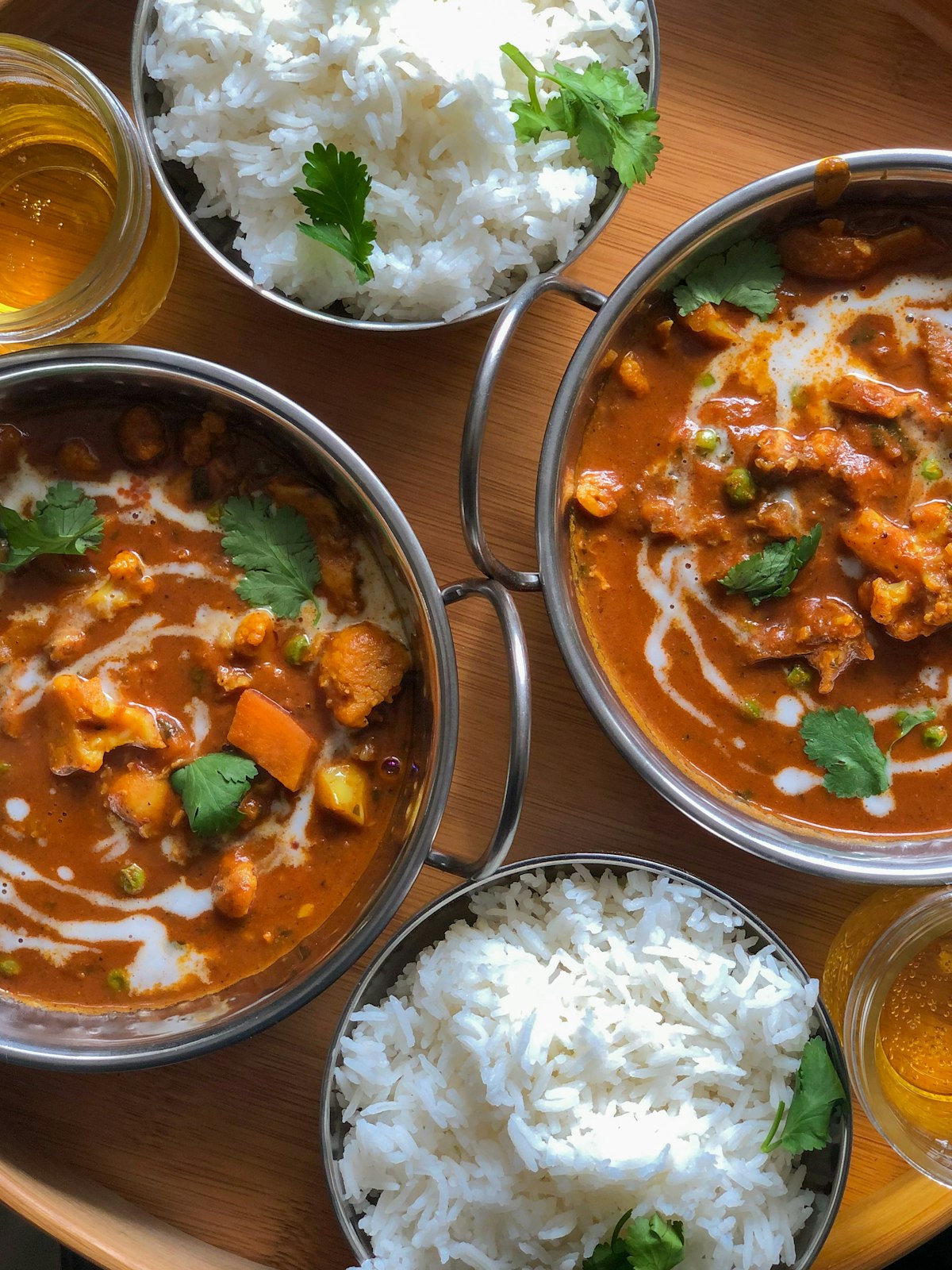
Kashmir's vegetarian cuisine is not an afterthought - it is a sophisticated tradition built around the Pandit kitchen, fennel-forward spices, and the iconic dum aloo. This guide covers every major Kashmiri vegetarian dish, where to eat them, and how to cook them at home.
In This Article
Quick Answer: Kashmiri vegetarian cuisine centres on dum aloo (whole potatoes in fennel-yoghurt gravy), haak saag (collard greens in mustard oil), and modur pulao (sweet saffron rice). The tradition comes from the Kashmiri Pandit kitchen, which avoided onion and garlic but used fennel, asafoetida, and dry ginger intensively.
At a Glance | Key dishes: Dum aloo, Haak saag, Modur pulao, Chok wangun, Nadir yakhni | Spice signature: Fennel, asafoetida, dry ginger | Best in: Pandit-style restaurants, dhabas in Anantnag, home cooking | Price: Rs 100-250 per dish
There is a misconception that Kashmir is all wazwan and meat. I understand where it comes from - the ceremonial feast is extraordinary and gets all the attention. But the valley's vegetarian tradition is equally ancient and technically sophisticated. My grandmother cooked haak saag every evening in mustard oil so hot it would smoke the kitchen, adding only water and salt. Nothing else. The dish tasted of the earth and the oil and something indefinable that I have never found outside her kitchen. That restraint - knowing when not to add - is the mark of Kashmiri vegetarian cooking. Kashmir Pulse is Via Kashmir's editorial channel - written by locals.
What are the essential Kashmiri vegetarian dishes?
Dum aloo is the ambassador dish - small whole potatoes (ideally the baby potatoes from Anantnag district) deep-fried until blistered, then simmered in a fennel-heavy, yoghurt-based gravy spiked with dried Kashmiri chilli (which adds colour without excessive heat). Haak saag uses collard greens or turnip greens cooked simply in mustard oil with asafoetida. Nadir yakhni is lotus stem in a yoghurt-based white gravy. Modur pulao is sweet saffron rice with dry fruits and a touch of ghee. Chok wangun is brinjal in tamarind sauce. Rajma gogji is turnip with kidney beans. Each dish uses a distinct technique and flavour profile, demonstrating the depth of a non-meat kitchen.
What makes Kashmiri vegetarian cooking different from other Indian traditions?
The Kashmiri Pandit kitchen, which developed the vegetarian tradition over centuries, traditionally avoided onion and garlic. The aromatics were replaced by asafoetida (heeng), dry ginger (soonth), and fennel seeds in quantities rarely seen elsewhere in Indian cooking. Fennel appears in both sweet and savoury preparations, creating a distinctive aniseed warmth. Mustard oil is the primary cooking fat, giving dishes a pungency that refined oils cannot replicate. Yoghurt is used as a braising liquid rather than a condiment. Dried Kashmiri chilli (known for colour more than heat) is the standard chilli. Together, these elements create a completely distinctive flavour signature.
Where to eat Kashmiri vegetarian food in Srinagar?
Authentic Kashmiri vegetarian food is harder to find in restaurants than the meat-heavy wazwan, because it was traditionally home cooking. Some reliable options: Ahdoos Hotel in Srinagar has a Kashmiri vegetarian thali. Shamyana restaurant (Residency Road) serves dum aloo and haak. In Anantnag, several smaller dhabas near the bus stand specialise in nadir yakhni and chok wangun. Home-cooked meals through community homestays (listed on viakashmir.in) offer the most authentic experience. Avoid hotels that present dum aloo as "Kashmiri style" - most use the North Indian version with onion-tomato base, which is a different dish entirely.
Kashmiri dum aloo vs Punjabi dum aloo: what is the difference?
The two dishes share a name and a potato but little else. Punjabi dum aloo uses a base of onion, tomato, and ginger-garlic paste, producing a red, tangy, oil-slicked gravy. Kashmiri dum aloo uses fennel, dried Kashmiri chilli, yoghurt, and asafoetida with no onion or garlic, producing a deep red sauce that is simultaneously creamy and spiced without being sharp. The Kashmiri version has a more complex, layered flavour; the Punjabi version is more straightforwardly savoury. Both are excellent, but they are not interchangeable. Ask specifically for "Kashmiri Pandit-style dum aloo" when ordering to ensure you get the right version.
Frequently asked questions about Kashmiri vegetarian food
Is lotus stem (nadir) easy to find in Kashmiri restaurants?
Nadir (lotus stem) is seasonally available and more common in home kitchens than restaurants. The best nadir dishes - nadir monje (fritters), nadir yakhni (in yoghurt gravy), and nadir palak - are found at dedicated Kashmiri food stalls and select restaurants. Dal Lake area restaurants sometimes feature nadir during autumn when it is freshly harvested from the lake.
Is Kashmiri vegetarian food spicy?
Kashmiri vegetarian food uses Kashmiri chilli (Deggi mirch), which is prized for its deep red colour and moderate heat - significantly less hot than green chilli or Lahari chilli. Most dishes are richly flavoured but not intensively spicy by Indian standards. Visitors with low spice tolerance can typically handle Kashmiri vegetarian dishes comfortably.
What is haak saag and how is it cooked?
Haak is the Kashmiri word for collard greens or similar leafy greens. The cooking method is minimal: mustard oil heated until smoking, a pinch of asafoetida, then the greens added whole with a small amount of water and covered to steam. Salt is added late. The dish is deliberately simple - the point is the flavour of the greens enhanced by mustard oil and asafoetida, not masked by spices. It is eaten daily in most Kashmiri households alongside rice.
Can I take dum aloo recipe home?
The key ingredient you cannot replicate outside the valley is authentic Kashmiri Deggi chilli - widely available in markets across Srinagar. Buy a stock of dried whole chillies or ground powder. Kashmiri fennel seeds (smaller and more aromatic than standard fennel) are also worth taking home. With these two ingredients and the basic technique (deep-fry potatoes, bloom spices in mustard oil, add yoghurt, simmer), a reasonable dum aloo is achievable anywhere.
Is Kashmiri vegetarian food suitable for vegans?
Many Kashmiri vegetarian dishes are naturally vegan - haak saag, chok wangun, and rajma gogji all use mustard oil and no dairy. Dum aloo and nadir yakhni use yoghurt as a key ingredient and are not vegan in their traditional form. Ask specifically when ordering. Modur pulao uses ghee and is not vegan. The broader Kashmiri kitchen is dairy-adjacent; vegans will find options but should ask about individual dishes.
The simplicity of haak and rice tells you more about Kashmiri cooking philosophy than any wazwan ever could - restraint as mastery.
Taste authentic Kashmiri vegetarian food on a curated food tour with Via Kashmir.
Book a Food Experience →Kashmir Pulse Editorial
Travel Writer, Via Kashmir
Writing about Kashmir from the inside — hotels, culture, seasonal travel, and the stories that don't make it into guidebooks.
Ready to Experience Kashmir?
Let our local experts craft a personalised trip for you — hotels, houseboats, cabs, and experiences handpicked for your travel style.