
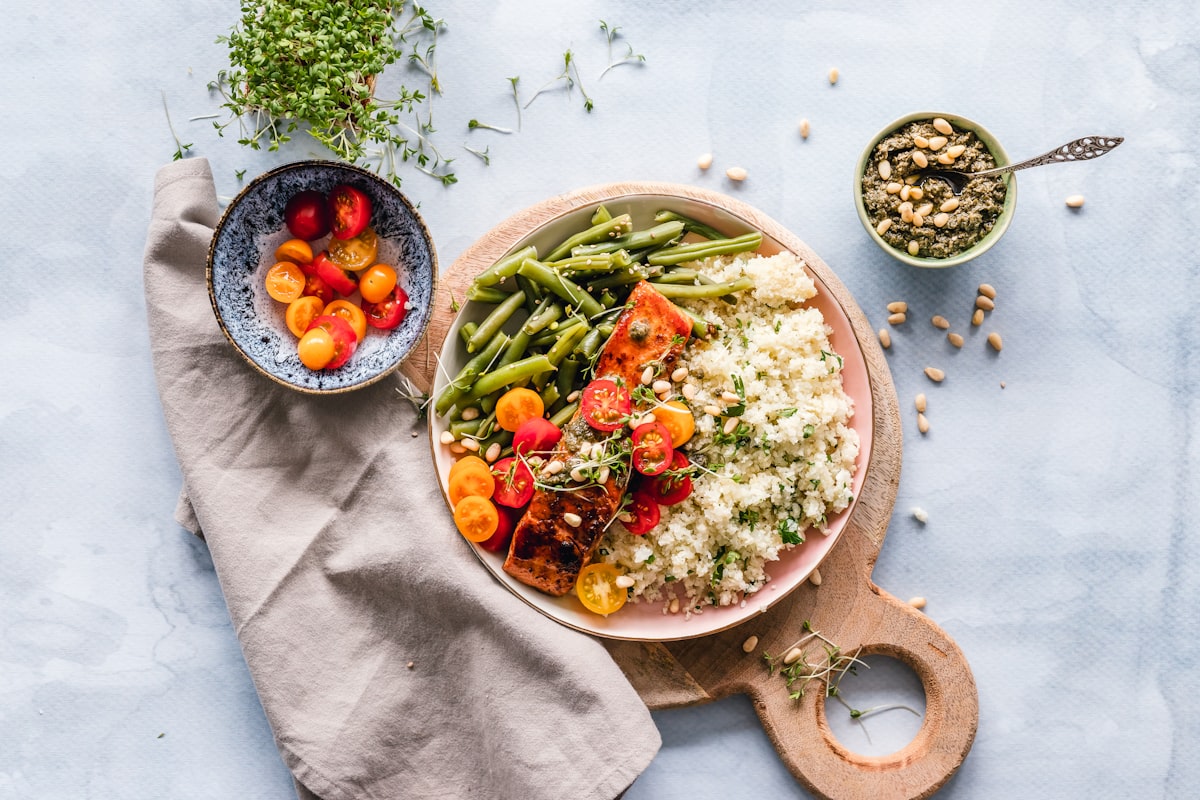
Harisa is slow-cooked lamb and wheat porridge that has warmed Kashmir through winters for centuries. Learn where to find the best harisa in Srinagar, how it is made in traditional deg vessels, and why this dish only appears between October and March.
In This Article
Quick Answer: Harisa is a Kashmiri winter dish of lamb slow-cooked with wheat overnight in large copper vessels, available only October to March. Best eaten in the morning with kandur bread. Most famous shops are in Bohri Kadal and Rainawari, Srinagar.
At a Glance | Season: October-March only | Best time to eat: 7am-10am | Location: Bohri Kadal, Rainawari, Old Srinagar | Price: Rs 150-300 per plate | Pairing: girda bread, noon chai
My first harisa memory is of watching my uncle's hands shake slightly from the cold as he spooned the dish onto torn pieces of girda. The shop had no chairs - you stood at the counter, steam rising from the deg, the city still dark outside. That is harisa: warmth made edible, a dish that exists specifically because Kashmir winters are brutal and the body needs fuel that lasts until afternoon. You will not find harisa in summer. It does not exist in summer. This is a food with its own weather. Kashmir Pulse is Via Kashmir's editorial channel - written by locals.
What is harisa and how is it made?
Harisa is a slow-cooked porridge of lamb and hulled wheat (gehun). Lamb - usually the shoulder and leg, sometimes with bone marrow - is combined with soaked wheat, water, and a minimal spice blend (cardamom, cloves, a little fennel). The mixture is cooked in a large copper vessel called a deg over a wood fire for 10 to 12 hours overnight, stirred continuously with a wooden paddle to break down the meat into stringy fibres that absorb into the wheat. The result is a thick, meat-rich porridge with a colour ranging from pale cream to deep brown depending on the spice use and cooking time. Ghee is poured generously over the top before serving.
Where to find the best harisa in Srinagar?
Old Srinagar has the highest concentration of traditional harisa makers. Bohri Kadal's morning market has several shops that have operated for generations - the most famous is an unnamed shop near the bridge that draws lines by 7am on cold mornings. Rainawari, a locality known for food, has at least three dedicated harisa shops. Habba Kadal and the area around Jamia Masjid also have reliable sellers. Outside Old Srinagar, Sopore town in north Kashmir and Anantnag in south Kashmir both have harisa traditions. Visiting viakashmir.in before your trip gives current recommendations as shops change seasonally.
What is the difference between harisa and haleem?
Harisa and haleem are related but distinct dishes. Both cook meat with wheat or lentils slowly, but haleem (common across South Asia and the Middle East) uses a wider spice blend and often includes lentils alongside wheat. Kashmiri harisa uses a restrained spice profile - the point is not flavour complexity but warmth and sustenance. Harisa is also served exclusively as a breakfast dish, while haleem functions as lunch or dinner. The texture differs too: harisa is more homogeneous and porridge-like, while haleem often retains more visible grain structure. Kashmiris consider harisa the more ancient preparation, predating haleem's arrival via Mughal court cuisine.
How to eat harisa properly?
Harisa is served in a shallow metal bowl or directly onto torn girda bread. A pool of ghee is drizzled over the top - never skip this, as the fat carries the flavour and prevents the dish from feeling dense. Most shops also offer a pinch of dried ginger powder (soonth) and a few strands of saffron for premium servings. Eat while hot: harisa congeals quickly in cold air. Pair with noon chai or kehwa (saffron green tea). Standing at the counter and eating within minutes of being served is the traditional way. Sitting and lingering is a more recent adaptation.
Harisa vs wazwan: which defines Kashmiri food culture more?
Wazwan is the ceremonial feast - 36 dishes, professional wazas (cooks), formal seating on the floor, trami platters shared by four. It defines Kashmir's culinary identity in a public, celebratory sense. Harisa is the private, daily, bodily definition - the food that sustains people through six months of winter without fanfare. Both are irreplaceable but they operate in different registers. Wazwan is the valley showing itself to the world. Harisa is the valley feeding itself. For food tourists, wazwan gets more attention, but serious visitors to Via Kashmir's food content consistently name harisa as the more powerful culinary experience.
Frequently asked questions about harisa Kashmir
Is harisa available in summer in Kashmir?
No. Harisa is strictly a winter preparation. The dish requires cold temperatures both for the overnight cooking process and because its caloric density is appropriate only for cold weather. Harisa shops close between March and October. Visitors planning summer trips will not find it. The winter window (November to February) offers the best harisa, with November-December being peak season.
Is harisa suitable for vegetarians?
Traditional harisa is a meat dish and is not vegetarian. Some home cooks have experimented with vegetarian versions using chickpeas or mixed legumes, but these are not available commercially and are not considered authentic. Vegetarian visitors should look to other Kashmiri breakfast options like chok wangun (tamarind aubergine) or modur pulao.
How long does harisa keep?
Harisa is best eaten within two hours of cooking. In cold weather, it can be refrigerated and reheated for up to 24 hours, though the texture becomes denser after cooling. Shops do not usually have leftover harisa - quantities are calibrated to sell out by mid-morning. Never buy harisa that has been sitting uncovered in a warm shop.
What is the price of harisa in Srinagar?
A standard plate of harisa with two pieces of girda costs between Rs 150 and Rs 250 at most Old Srinagar shops. Premium servings with extra ghee and saffron can reach Rs 300-350. Hotel restaurants serving harisa charge significantly more (Rs 400-600), but the quality rarely matches street shops. Prices have risen sharply since 2022 due to meat cost inflation.
Can I watch harisa being cooked?
Yes, and it is worth the early alarm. Harisa cooking begins around midnight or 1am. Some shops in Rainawari and Bohri Kadal allow visitors to observe the overnight process if you arrive respectfully and at a quiet moment. The sight of the deg over a wood fire, the continuous stirring, and the aroma of slow-cooked lamb in cold night air is one of the authentic sensory experiences Kashmir offers to curious visitors.
Harisa is how Kashmir survives winter - not just warmth in a bowl, but six centuries of knowing what the body needs when the mountains close in.
Experience Kashmir's food traditions on a winter tour with Via Kashmir.
View Winter Packages →Kashmir Pulse Editorial
Travel Writer, Via Kashmir
Writing about Kashmir from the inside — hotels, culture, seasonal travel, and the stories that don't make it into guidebooks.
Ready to Experience Kashmir?
Let our local experts craft a personalised trip for you — hotels, houseboats, cabs, and experiences handpicked for your travel style.