
The kandur is more than a baker - he is the keeper of a 600-year-old tradition. Discover the seven sacred breads of Kashmir, from spongy lavasa to sesame-dusted kulcha, and why no Kashmiri morning is complete without a trip to the taandoor.
In This Article
- What are the seven traditional breads of Kashmir?
- Who is the kandur and how does the tradition work?
- Where to find the best kandur bakeries in Srinagar?
- Noon chai and bread: the pairing that defines Kashmir mornings
- Home baking vs kandur: which bread is better?
- Frequently asked questions about Kashmiri breads
Quick Answer: Kashmir has seven traditional breads baked in clay taandoors by hereditary bakers called kandurs. The most common are lavasa (soft flatbread), girda (round sesame loaf), and kulcha (milk bread). Bakeries open before sunrise - buy fresh or miss out.
At a Glance | Best breads: Lavasa, Girda, Kulcha, Tsot, Sheermal, Bakarkhani, Czot | Best area: Bohri Kadal, Rainawari, Old Srinagar | Price: Rs 5-40 per piece | Pairing: noon chai (pink salt tea)
I grew up watching my grandfather walk to the kandur every morning before the azaan faded. He would return with a cloth bundle of steaming girda and we would tear it apart with our hands over cups of noon chai. The kandur - our neighbourhood baker - had been firing the same taandoor for forty years. His father before him, and his father before that. This is not nostalgia. This is how Kashmiri mornings still begin across the valley. Kashmir Pulse is Via Kashmir's editorial channel - written by locals.
What are the seven traditional breads of Kashmir?
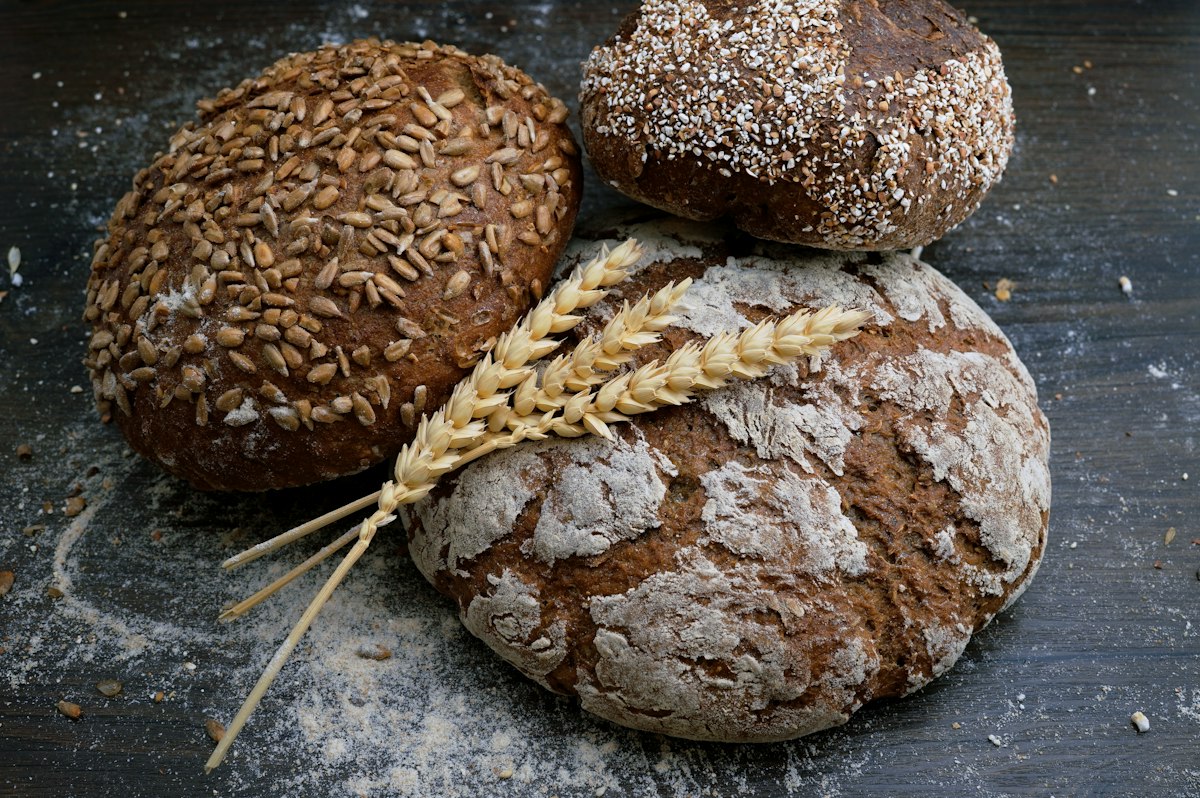
Kashmiri bread culture recognises seven canonical breads, each with a distinct texture, occasion, and method. Lavasa is the everyday soft flatbread - thin, slightly charred on the underside, rolled and eaten within minutes of leaving the oven. Girda is the round sesame-crusted loaf, denser and more filling, often eaten for breakfast. Kulcha is a sweet milk bread enriched with ghee, reserved for special mornings. Tsot is a ring-shaped sesame bread, lighter than girda, popular with children. Sheermal is a saffron-laced sweet bread served at weddings and wazwan feasts. Bakarkhani is the flaky, layered festive bread found mostly at Eid and shrine fairs. Czot is a crispy thin bread baked on hot stones, a pastoral tradition still alive in rural areas.
Who is the kandur and how does the tradition work?
Kandur is both a profession and a caste designation in Kashmir. The kandur community has been baking for Kashmiri households for at least six centuries - their origins traced to the Sultanate period when Persian baking techniques arrived with Central Asian settlers. A kandur owns and operates a taandoor, a clay oven sunk into the floor of a small shop. Dough is prepared overnight. Baking begins around 4am. By 7am, the first batches are sold out. Kandurs operate on a subscription model in older neighbourhoods - families have accounts, paying monthly rather than per loaf. The relationship between kandur and household is deeply personal, often spanning generations.
Where to find the best kandur bakeries in Srinagar?
Old Srinagar holds the highest concentration of authentic kandur shops. Bohri Kadal, Rainawari, Habba Kadal, and the lanes around Jamia Masjid each have bakeries operating since before partition. Abi Guzar market near Dal Lake has several shops popular with tourists. Rajouri Kadal's morning market sells bakarkhani alongside traditional sweets. Outside Srinagar, Sopore is famous for its kulcha, and Anantnag town has kandur shops serving the south Kashmir population. Visiting Via Kashmir's food guides on viakashmir.in gives neighbourhood-level recommendations updated each season.
Noon chai and bread: the pairing that defines Kashmir mornings
No bread guide is complete without noon chai - the pink salt tea that is Kashmir's signature morning drink. Brewed from Himalayan black tea leaves with baking soda (which produces the pink colour), salted with rock salt, and finished with milk, noon chai is an acquired taste for outsiders but completely essential for Kashmiris. The salinity cuts through the richness of ghee-brushed girda or sheermal. Lavasa dipped in noon chai until slightly softened is how most children learn to eat. The combination is not a meal - it is a ritual, a way of beginning the day that has survived every disruption the valley has known.
Home baking vs kandur: which bread is better?
Home baking cannot replicate the taandoor. The clay oven reaches temperatures above 400 degrees Celsius - no home appliance comes close. The char on lavasa's underside, the puff in girda's crust, the chewiness of tsot's interior - all are products of extreme radiant heat. Kandur bread is also made with specific flour blends passed down within families, sometimes mixing local wheat with refined flour in proportions kept secret. Some households occasionally bake tschwor (a pan bread) at home, but the kandur remains irreplaceable for the seven canonical breads. This is why, even as Srinagar modernised, the kandur shop never disappeared.
Frequently asked questions about Kashmiri breads
Which Kashmiri bread should I try first as a visitor?
Start with girda and noon chai for the full traditional experience. Girda is available at every kandur shop, has a mild flavour, and pairs perfectly with Kashmiri butter or honey. Sheermal is the best choice if you have a sweet tooth - the saffron aroma is unmistakable. Avoid bakarkhani as your first try; its richness can be overwhelming.
What time do kandur shops open in Srinagar?
Most kandur shops begin baking between 3:30am and 4:30am and open their shutters by 5am. Peak buying time is 5:30am to 7:30am. By 9am, most shops have sold their first batch and are preparing the second. Visitors should aim to buy before 8am for the freshest bread.
Is Kashmiri bread available outside the valley?
Authentic Kashmiri bread made in a taandoor is not available outside the valley - the equipment, technique, and flour blends are all local. Some Kashmiri restaurants in Delhi and Mumbai serve approximations of kulcha or sheermal, but they do not taste the same. Bakarkhani travels well as a dry snack and is sometimes found in Kashmiri stores in major cities.
What makes Kashmiri bread different from naan or roti?
Kashmiri breads have distinct dough compositions and baking techniques separate from North Indian naan tradition. Most use a leavened dough with specific ratios of salt and fat. The taandoor heat profile differs - Kashmiri ovens tend to be wider and shallower, producing a different char pattern. Sesame seeds, milk, and occasionally saffron appear in Kashmiri recipes but rarely in standard naan.
Is the kandur tradition at risk of dying out?
Fewer young Kashmiri men are entering the kandur profession, which requires early hours, physical labour, and years of apprenticeship. Some neighbourhoods have lost their local kandur to migration or retirement. However, in Old Srinagar and most qasbas (small towns), the tradition remains strong. A growing food tourism interest documented by outlets including Via Kashmir has brought attention to heritage bakeries and some younger bakers are returning to the trade.
A Kashmiri morning without the kandur is like Dal Lake without the mountains - technically possible but fundamentally wrong.
Taste Kashmir's bread culture on a guided food walk through Old Srinagar.
Explore Food Tours →Kashmir Pulse Editorial
Travel Writer, Via Kashmir
Writing about Kashmir from the inside — hotels, culture, seasonal travel, and the stories that don't make it into guidebooks.
Ready to Experience Kashmir?
Let our local experts craft a personalised trip for you — hotels, houseboats, cabs, and experiences handpicked for your travel style.