
Kashmiri carpets are among the most counterfeited craft products in India. A genuine hand-knotted carpet has a GI certification, visible knot ridges on the back, and a price that reflects years of work. This guide explains exactly how to tell the difference.
In This Article
Quick Answer: Authentic hand-knotted Kashmiri carpets carry a GI (Geographical Indication) certification tag issued under the GI Act 1999. A genuine 4×6 ft wool-on-cotton carpet (200 KPSI) costs ₹25,000 - ₹80,000. Pure silk-on-silk in the same size starts at ₹1,50,000. Any carpet below these prices is either machine-made, imported, or heavily misrepresented.
The Three Types of Kashmiri Carpet You'll Be Offered
Silk on silk (pure silk): The pile (visible surface fibres) and the foundation (warp and weft threads) are both silk. This produces the highest lustre, the finest detail (500-900+ KPSI), and the price to match. A 2×3 ft pure silk carpet can cost ₹80,000 - ₹3,00,000 depending on knot count and age. The pile has a distinct directional sheen - tilt it toward the light and the design appears to shift.
Wool on cotton (traditional): The most durable everyday carpet type. Wool pile on cotton foundation. Warmer underfoot than silk, slightly matte in appearance. 150-300 KPSI. Price range: ₹15,000 - ₹80,000 for a 4×6 ft piece. The right choice for a carpet you intend to actually use on a floor.
Silk on cotton: Silk pile on cotton foundation. A middle ground - good sheen, finer detail than wool, more affordable than full silk. 300-600 KPSI. ₹40,000 - ₹1,50,000 for 4×6 ft.
How to Verify a Carpet Is Genuinely Hand-Knotted
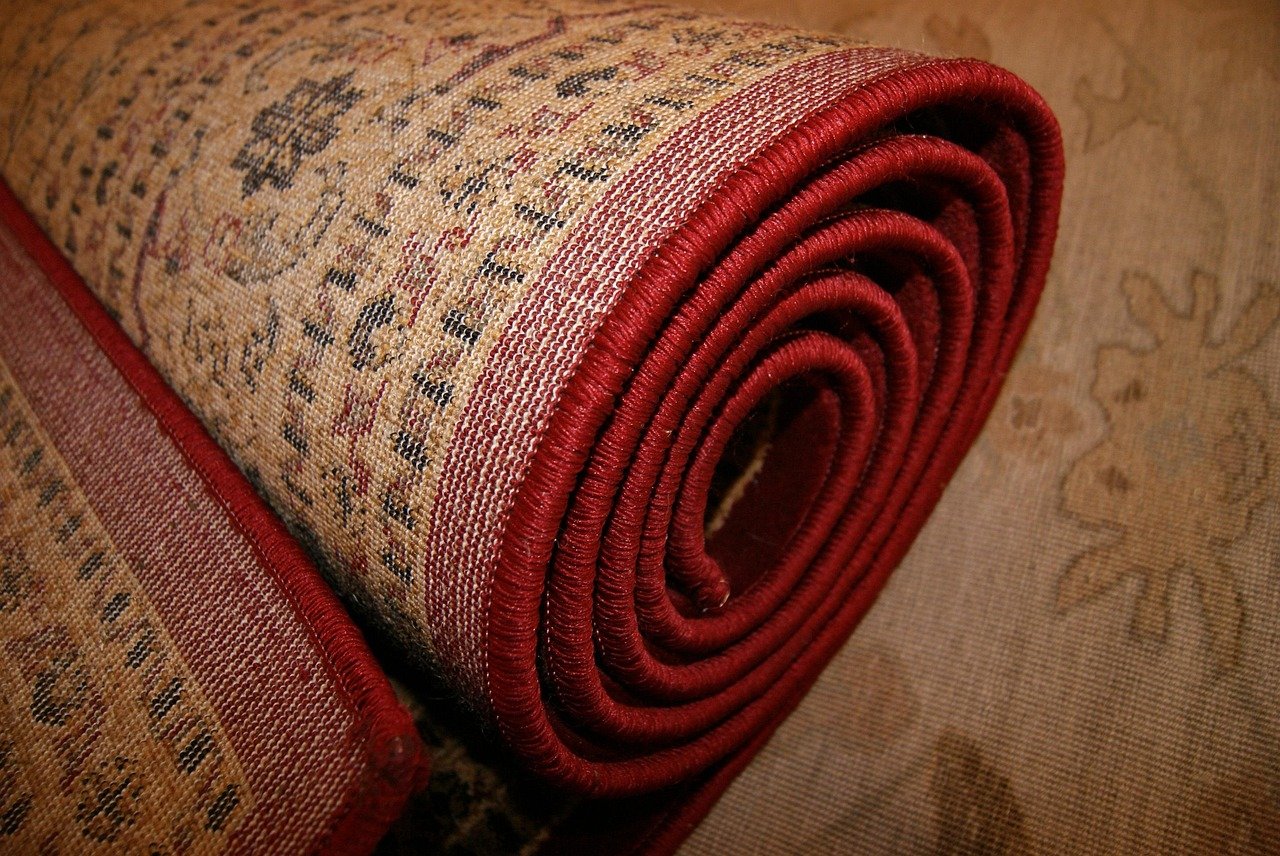
Fold the carpet back on itself and look at the reverse. In a genuine hand-knotted carpet, you will see the individual knot ridges - small bumps of fibre that follow the design pattern exactly. The back of the carpet should be a slightly blurrier mirror of the front. In a machine-made or tufted carpet, the back is flat fabric (usually with a latex backing glued on). No knot ridges = not hand-knotted, regardless of what the seller says.
For silk: pull a single fibre from the fringe of the carpet (with the seller's permission) and burn it with a lighter. Genuine silk burns slowly, smells like burning hair, and leaves a crushable ash. Synthetic (acrylic or viscose) melts, smells of chemicals, and leaves hard plastic beads. This test is definitive.
Understanding KPSI: Why the Knot Count Matters
KPSI (knots per square inch) is the primary quality indicator for hand-knotted carpets. Higher KPSI means finer design resolution and longer weaving time - and therefore a more expensive carpet. To count KPSI, count the knot ridges visible on the back in a 1-inch square. 150-200 is standard; 400+ is fine; 700+ is collector-grade. The J&K Handicrafts Department publishes the GI certification standards for Kashmiri carpets including minimum KPSI thresholds by grade.
Where to Buy Without Getting Burned
The safest sources, in order of reliability:
- Government Emporium (J&K Government Arts Emporium, Polo View Road, Srinagar): Fixed prices, certified goods, GI tags guaranteed. No commission. The reference point for what things should actually cost.
- Craft cluster workshops (Ganderbal, Anantnag, and villages of south Kashmir): Buying directly from the weaver's workshop means you see the loom, meet the weaver, and get provenance. Via Kashmir can arrange visits - see our full handicrafts guide.
- Reputable Srinagar showrooms with GI certification and receipts specifying pile material, KPSI, and dimensions: Ask for these in writing before paying.
- Avoid: Hotel-recommended shops (commission arrangements inflate prices 100-300%), shops that pressure you with "one day only" offers, and any seller who won't let you examine the back.
Shopping in the Old City
The Srinagar old city has the highest concentration of carpet showrooms, particularly around the Bund (Jhelum riverfront) and Residency Road. These range from genuine family workshops to showrooms aimed entirely at one-time tourist sales. The difference is usually visible in seconds: a real workshop has looms, a smell of wool and dye, weavers actually working. A tourist showroom has rolling display racks and a salesperson with a commission structure.
Frequently Asked Questions: Buying a Kashmiri Carpet
How do I get a carpet home from Kashmir? Reputable showrooms ship internationally and can provide CITES documentation for silk carpets if required by customs. Domestic Indian transport: fold and carry as checked luggage (a 4×6 ft carpet weighs 4-8 kg), or use a shipping service from Srinagar (₹2,000 - ₹5,000 to major Indian cities).
What is a realistic price for a good Kashmiri carpet? For a 3×5 ft wool-on-cotton carpet at 200 KPSI: ₹20,000 - ₹50,000. For a 4×6 ft silk-on-cotton at 400 KPSI: ₹80,000 - ₹1,50,000. For a 4×6 ft silk-on-silk at 500+ KPSI: ₹2,00,000 - ₹5,00,000. Prices below these ranges for the claimed specification are a red flag.
Is it safe to buy a Kashmiri carpet online after visiting Kashmir? Major Srinagar showrooms with GI certification ship reliably. Get a written receipt specifying material, KPSI, size, and price before leaving the shop.
How long does a hand-knotted Kashmiri carpet last? Properly maintained (vacuumed regularly, professionally cleaned every 5-7 years, kept from direct sunlight), a wool-on-cotton Kashmiri carpet lasts 100+ years. Silk carpets used as wall hangings last indefinitely.
Via Kashmir arranges craft tours that take you to carpet workshops - see the weaving process and buy direct from the artisans at fair prices.
Book a Craft Tour →Kashmir Pulse Editorial
Travel Writer, Via Kashmir
Writing about Kashmir from the inside - hotels, culture, seasonal travel, and the stories that don't make it into guidebooks.
Ready to Experience Kashmir?
Let our local experts craft a personalised trip for you - hotels, houseboats, cabs, and experiences handpicked for your travel style.